
The journey into IT or engineering often takes unexpected turns, with many professionals discovering that their sales skills can open new career opportunities. As technology reshapes industries, employers now seek candidates who excel in connecting ideas, collaborating across teams, and adapting to changes that many sales professionals already possess.
The Skills Shift: Tech Jobs Are No Longer Just Technical
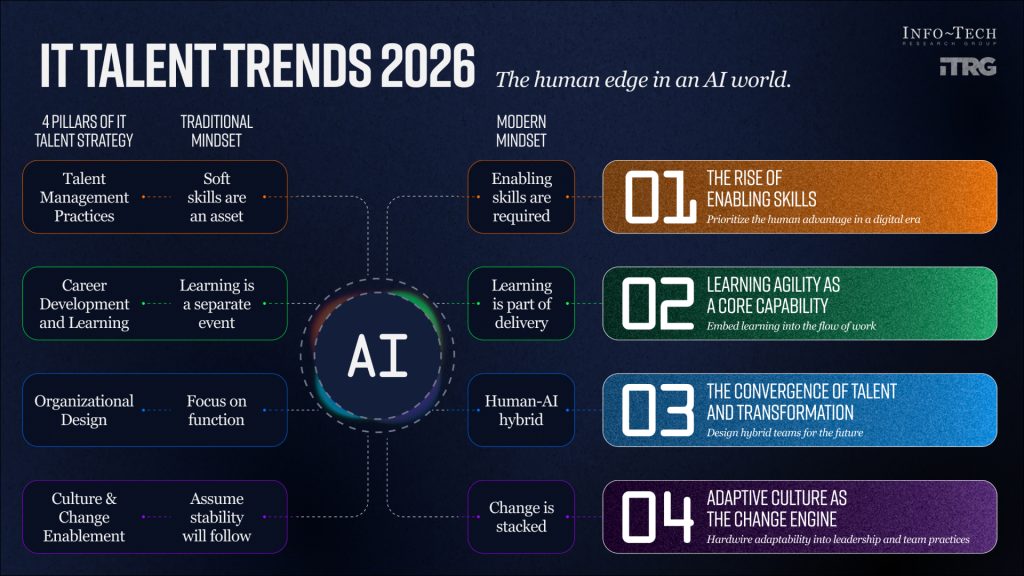
The definition of a qualified candidate in engineering and IT is changing. AI and digital tools are now core to many roles, shifting work dynamics. While technical skills are essential, companies increasingly value human-centered skills like critical thinking, communication, and adaptability. Research shows that modern roles require a mix of technical, cognitive, and social competencies to promote collaboration and innovation. Thankfully, many of these necessary skills may already be part of your everyday work.
The Hidden Power of Sales Experience in Your Career
At first glance, sales vs. careers in engineering or IT may seem vastly different. Upon closer examination, the core skills reveal significant overlap.
- Relationship-building: Relevant for client-facing engineering, technical consulting, and IT support.
- Clear communication: Essential for explaining complex systems to non-technical stakeholders.
- Problem-solving: Useful for troubleshooting user needs and improving processes.
- Customer Relationship Management (CRM) and digital tools: Experience with data platforms, workflows, and systems.
Modern engineering teams heavily rely on cross-functional collaboration, making the ability to work across departments a critical competency. Communication and teamwork are no longer viewed as merely soft skills; they are now essential for success in technical roles. Sales professionals inherently operate at the intersection of people, problems, and data, much like tech teams.
Digital Fluency Is the Bridge
Understanding technology’s role in business outcomes is essential, even if you’re not an engineer. AI, automation, and data tools are transforming both IT and engineering roles, as professionals now collaborate with technology rather than just using it. Microsoft research highlights that AI enhances collaboration and decision-making by merging human expertise with tech. Demand for AI skills is growing across all job functions, not just technical roles. As AI adoption increases, organizations are rethinking work processes, requiring professionals to refine AI output rather than merely execute tasks. If you use digital tools like CRMs or analytics platforms, you’re laying the groundwork for a tech transition.
Turning Transferable Skills into Opportunity
Once you recognize the skills you already have, certifications can help bridge the gap.
Certifications don’t replace experience; they translate it into a language employers understand. They signal that you can apply your existing skills in a technical environment.
Examples to consider:
- IT fundamentals (CompTIA, Microsoft certifications)
- Data tools (Excel, Power BI)
- Engineering software basics (AutoCAD)
- Cloud or AI fundamentals
Continuous learning is essential as technology evolves. Professionals who stay current with tools and trends are better positioned to adapt and grow. Employers are also placing increasing value on learning agility, the ability to quickly build new skills in response to change. With rapid technological change, many core job skills are expected to evolve in the coming years, making continuous learning and upskilling essential for long-term career growth.
Hybrid Talent Is the New Competitive Advantage
The biggest shift in the workforce is that valuable professionals are defined by diverse skill sets rather than single specialties. Companies prioritize individuals who can understand technology, communicate effectively, and solve real-world problems.
This change is evident in hiring trends that favor skills over traditional career paths, allowing candidates to move more fluidly between industries. Employers focus on what candidates can do rather than just their degrees or job titles, indicating a move toward skills-based hiring. Human skills like communication, trust-building, and collaboration are crucial in an AI-driven workplace, as they help bridge the gap between technology and its real-world impact. Communication is essential for aligning teams and translating complex ideas in technical environments.
Courtesy of Info-Tech Research Group
Partnering with SRG to Find Your Next Technology Job
Making a career move into IT or engineering isn’t about starting over; it’s about building forward. If you’ve worked in sales, you’ve already developed many of the skills today’s employers need. By pairing those strengths with digital fluency and the right certifications and partnering with the Specialized Recruiting Group, you can position yourself for new opportunities in some of the fastest-growing fields. The future of work doesn’t belong to one career path; it belongs to those who can connect skills, adapt, and keep learning.
About Specialized Recruiting Group
Specialized Recruiting Group (SRG) delivers top-tier professional talent solutions. SRG supports local business communities and professionals seeking new career opportunities by offering a consultative and collaborative approach to professional staffing. For more information, visit SRGPros.com or SRGPros.ca. Find the location nearest you in the U.S. or Canada.